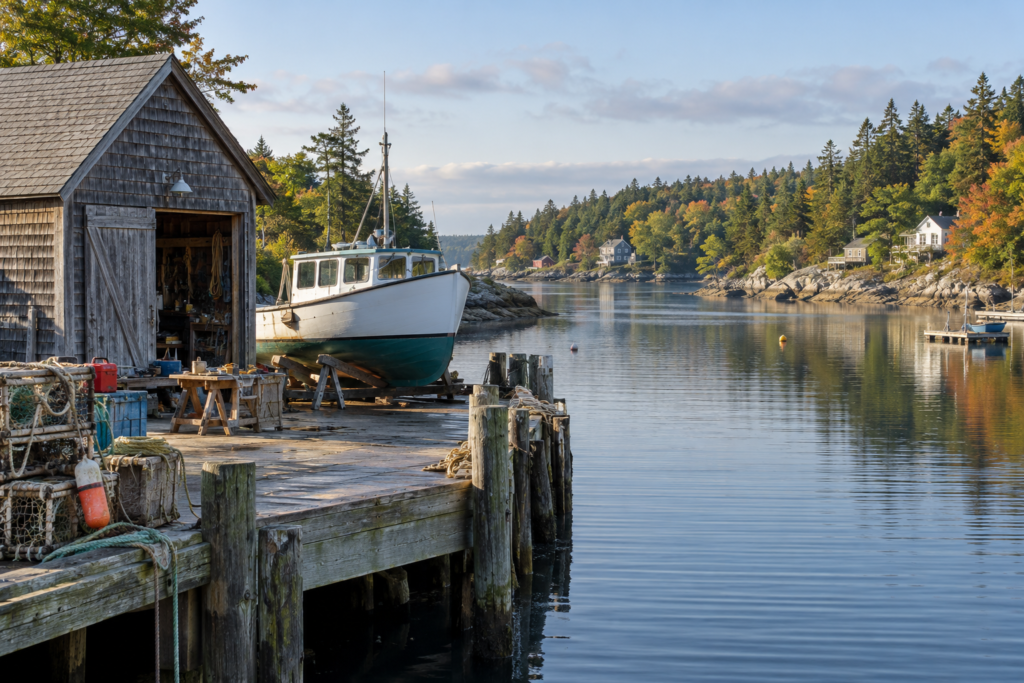
A small, unnamed boat repair business is considering more capacity at Greyhaven Inlet in this fictional local story. More work could support jobs and local repair, but neighbours would also need answers about noise, waste, traffic, prices and water quality. No expansion has been approved and no actual pollution has been established.
The scenario starts with a business seeking steadier work and less uncertain seasonal income. Repairing boats and keeping equipment in use can have value, while a larger working area could bring more deliveries and noisy tasks near the water. Some customers may want quicker service and lower prices; protective equipment and careful routines also cost money. Who would pay, and what the trade-offs would mean in practice, remain open.
Brenda Shaw, 63, is a fish shop owner who lives with her spouse in Greyhaven Inlet. Her existing interest is clean water alongside secure jobs at the docks. For her, protecting the inlet and keeping local work viable belong in the same discussion; a claim that more jobs will follow would still need evidence about how water and waste would be handled.
Noah Campbell, 22, is a boat repair apprentice living with family. He hopes to find a permanent local job rather than move away from friends and family. More capacity could matter to that hope, but the proposal offers him no job and does not establish that he works for this unnamed business. A review needs to consider whether any new work could be dependable, not simply seasonal.
Rafael Costa, 48, is a marine services manager who favours viable working docks and better public access where it is safe. His perspective adds a different question: how could repair activity, deliveries and people moving around the inlet coexist? This does not make him the business owner or dock manager, and it creates no public right to enter a work area.
Hassan Rahman, 36, is a marine technician who supports skilled jobs at the inlet and clear shoreline protection rules. His perspective brings attention to the practical side of safeguards: what routines, equipment and responsibilities would repair work need? Clear requirements could help workers plan, while their cost could affect what customers pay.
These are four individual perspectives drawn from the residents' existing fictional presentations, not formal statements, a vote or an agreed community position. Brenda's concern about clean water, Noah's wish to stay locally, Rafael's balance of working docks and safe access, and Hassan's focus on skills and clear rules leave real questions to resolve.
The proposed Greyhaven Boat Repair Capacity Review would describe work processes, waste handling, hours and traffic, seek relevant advice and identify the owners and decision-makers before comparing options. Making better use of existing capacity and considering a larger work area would both need scrutiny. Management, permissions, financing and the outcome remain unresolved; no budget, trial or work date has been set.
Adrian's possible seasonal work and a possible contribution from Samira on reuse and shared workshop equipment remain ideas. Neither has an established job or leadership role in this scenario. Fictional demonstration news: this story announces no real expansion and makes no finding of pollution.
Explore Greyhaven Inlet and read the Greyhaven Boat Repair Capacity Review proposal.